
Installing a tar driveway is an excellent investment in your Gauteng property, but preparation is key to ensuring a high-quality finish and long-lasting results. Whether you’re a first-time homeowner or upgrading an existing surface, this guide walks you through essential steps to get ready for tar driveway surfacing.
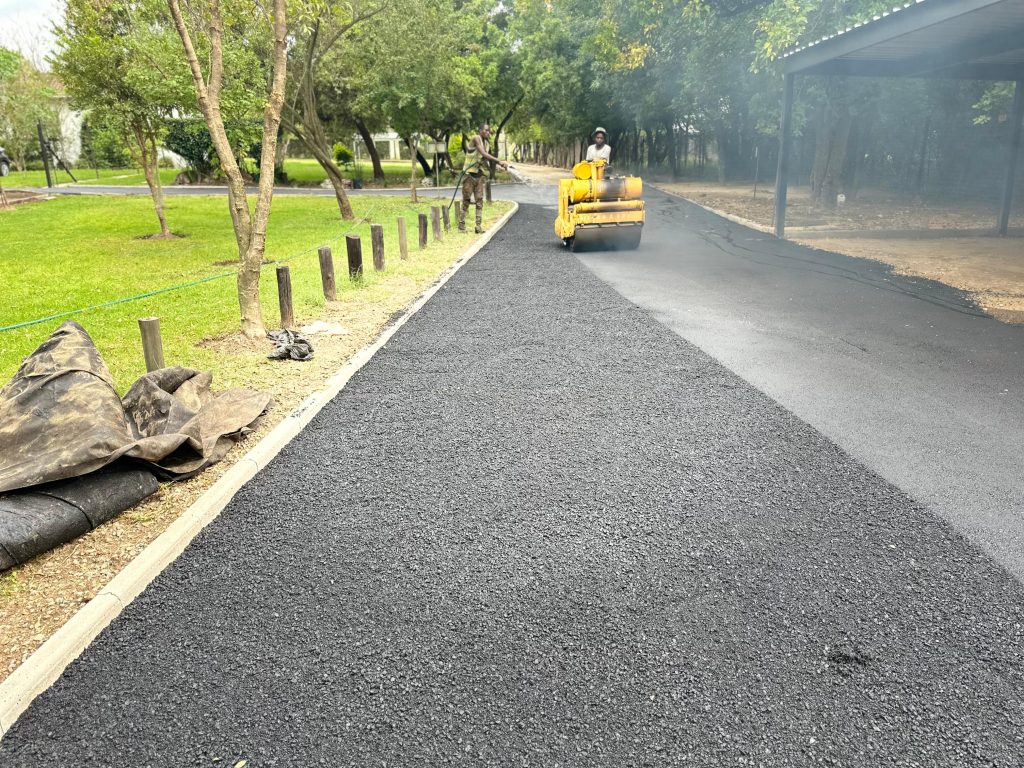
Tar Surfacing Project Guide
Step 1: Understand Your Property’s Requirements
Size and Shape
Accurately measure the entire driveway area.
Factor in the width, length, curves, and slopes.
Create a simple sketch or layout to guide installation planning.
Traffic Load
Identify the types of vehicles using the driveway (e.g., passenger cars, delivery trucks).
Heavier or more frequent traffic requires thicker tar layers and possibly reinforced base preparation.
Drainage
Inspect the current slope and ground level.
Ensure proper water runoff to prevent pooling or erosion.
Plan for drainage channels, soakaways, or gradient adjustments if necessary.
Step 2: Clear and Prepare the Site
Remove Existing Surface
Strip away old materials such as:
Gravel
Damaged concrete
Previous tar layers
Dispose of debris in accordance with local regulations.
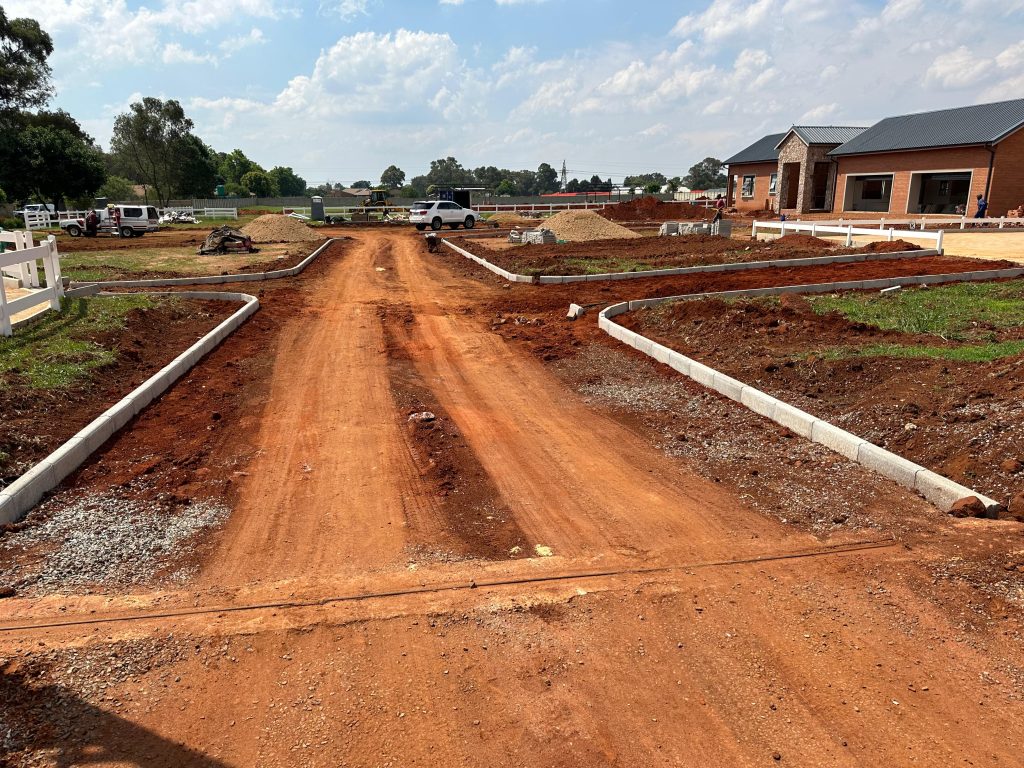
Excavate and Level
Excavate to the required depth, considering tar thickness and base material.
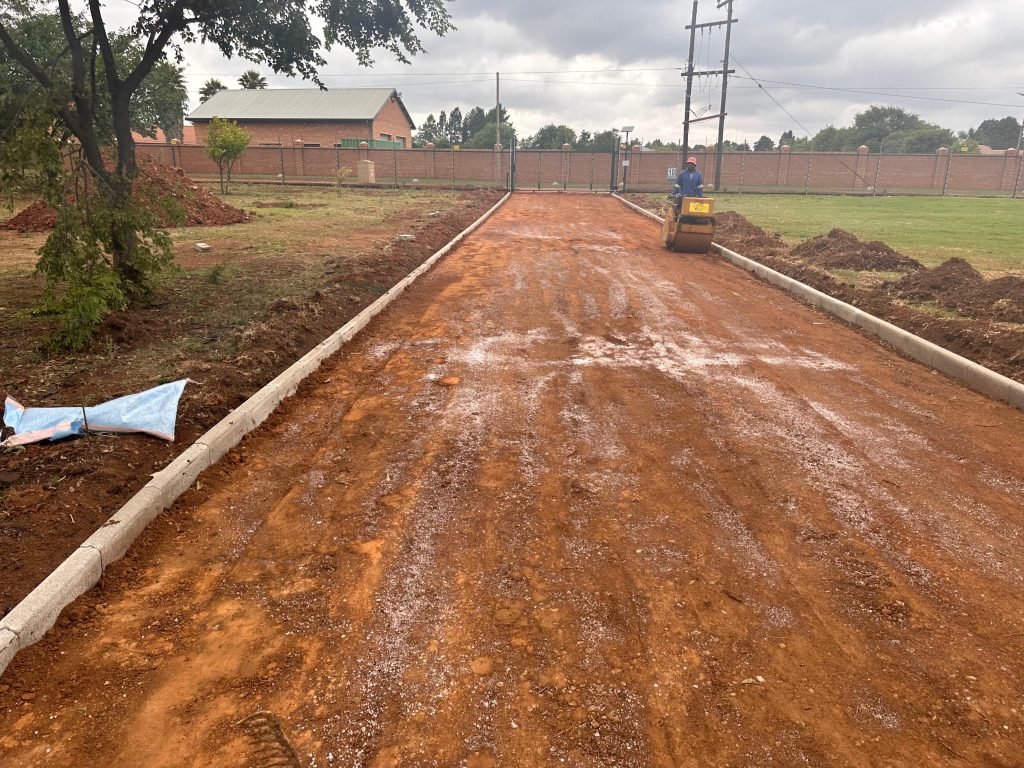
Compact the soil to a firm, stable base using mechanical rollers or tampers.
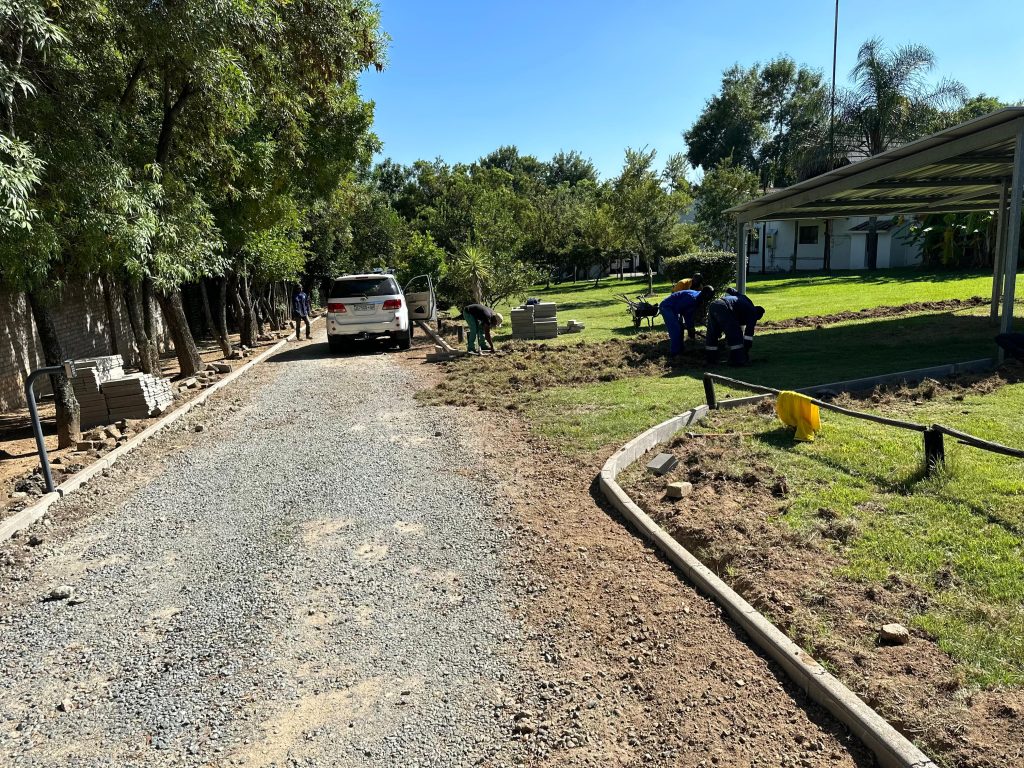
Install Base Layers
Lay down crushed stone or gravel, depending on the soil’s condition.
Compact in multiple layers to achieve maximum density and strength.
Step 3: Plan for Permits and Regulations
Municipality Requirements
Contact your local Gauteng municipality to:
Check for any required construction or modification permits.
Understand relevant zoning restrictions and environmental policies that may affect the project.
Boundary Verification
Review your property boundaries to avoid building on neighboring land or public property.
If boundaries are unclear, consider hiring a licensed surveyor to confirm legal limits.
Compliance with Guidelines
Inquire about specific requirements concerning:
Drainage systems
Noise regulations
Environmental impact assessments
Ensure that all permissions and approvals are obtained and documented before construction begins.
Step 4: Choose Quality Materials and Contractor
Select the Right Materials
Use high-grade bitumen tar formulated for:
Durability in Gauteng’s hot summers and seasonal rainfall.
Long-lasting performance under regular vehicle load.
Confirm that all materials meet SANS (South African National Standards) for safety and quality.
Hire a Reputable Contractor
Choose a contractor with:
Experience in local driveway construction
Knowledge of regional soil conditions
Familiarity with Gauteng regulatory standards
Recommended Provider:
William Gift Civil (Pty) Ltd – known for reliable workmanship and regional experience.Request the following from your contractor:
Client references or past project portfolio
Proof of insurance and liability coverage
A detailed project quote, including timeline, materials, and scope of work
Step 5: Schedule the Work Appropriately
Plan installation during dry weather months, ideally between May and September in Gauteng, to allow proper curing and compaction.
Avoid scheduling during the peak rainy season to reduce the risk of weather-related delays or surface imperfections.
Step 6: Prepare Your Property for Construction Day
Clear Vehicles and Obstructions
Remove all:
Vehicles
Outdoor furniture
Tools, hoses, or decorative items
from the construction area to ensure a smooth workflow.
Notify Neighbours if Needed
Alert nearby residents about:
Possible noise
Temporary construction traffic
This courtesy can help reduce complaints or disturbances.
Ensure Access
Provide clear and convenient access routes for:
Heavy machinery
Delivery trucks
Construction crews
This helps maintain timelines and avoids unnecessary downtime.
Step 7: After Installation Care
Restrict heavy traffic on the new tar surface for 24 to 48 hours after installation to allow it to fully set.
Follow maintenance recommendations from your contractor, such as:
Periodic sealing (if required)
Prompt repair of cracks or indentations
Keeping the surface free of oil or chemical spills
Why Choose William Gift Civil for Your Tar Driveway in Gauteng?
At William Gift Civil (Pty) Ltd, we pride ourselves on delivering expert project management from start to finish. Our team ensures:
Clear and consistent communication throughout the project
Timely completion that respects your schedule
Quality workmanship tailored to your property’s needs
We treat site preparation with the same attention to detail as the final surfacing, ensuring a durable and visually appealing result.
Ready to Start Your Tar Driveway Project?
Contact us today for a no-obligation consultation and quote.
Phone/WhatsApp: +27 82 428 1251
Email: william@williamgiftcivil.co.za