
Which one performs better in South Africa
Choosing the right tennis court surface has a big impact on how the court feels, how safe it is and how long it lasts. In South Africa most courts are built with an asphalt base that is finished with an acrylic sports coating. Many people wonder why both layers are needed. This guide explains how they work together and why this system has become the standard for schools, clubs and private homes in Gauteng.
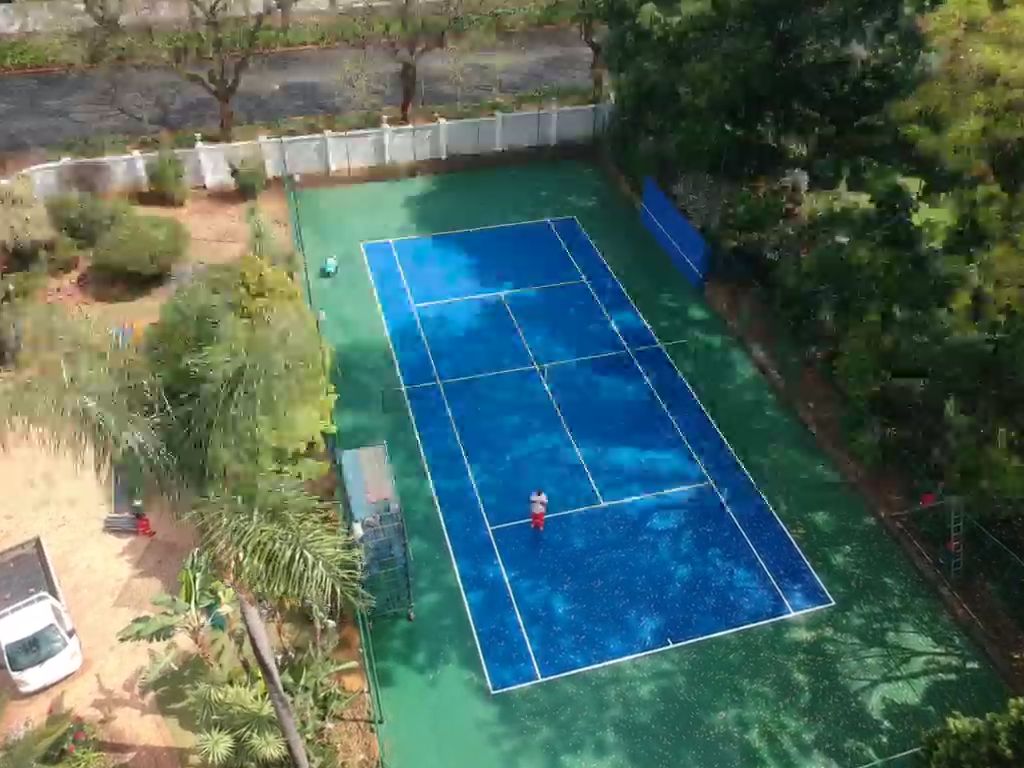
What an asphalt tennis court surface is
Asphalt forms the strong foundation of the court. It is the firm black layer that keeps everything stable and level.
It provides
Structural strength
Consistent ball bounce
A long lasting base
Asphalt is tough enough to handle
Heavy foot traffic
Machinery during construction
Gauteng’s hot days, cool nights and weather changes
Without this layer the court would not stay firm or level for long.
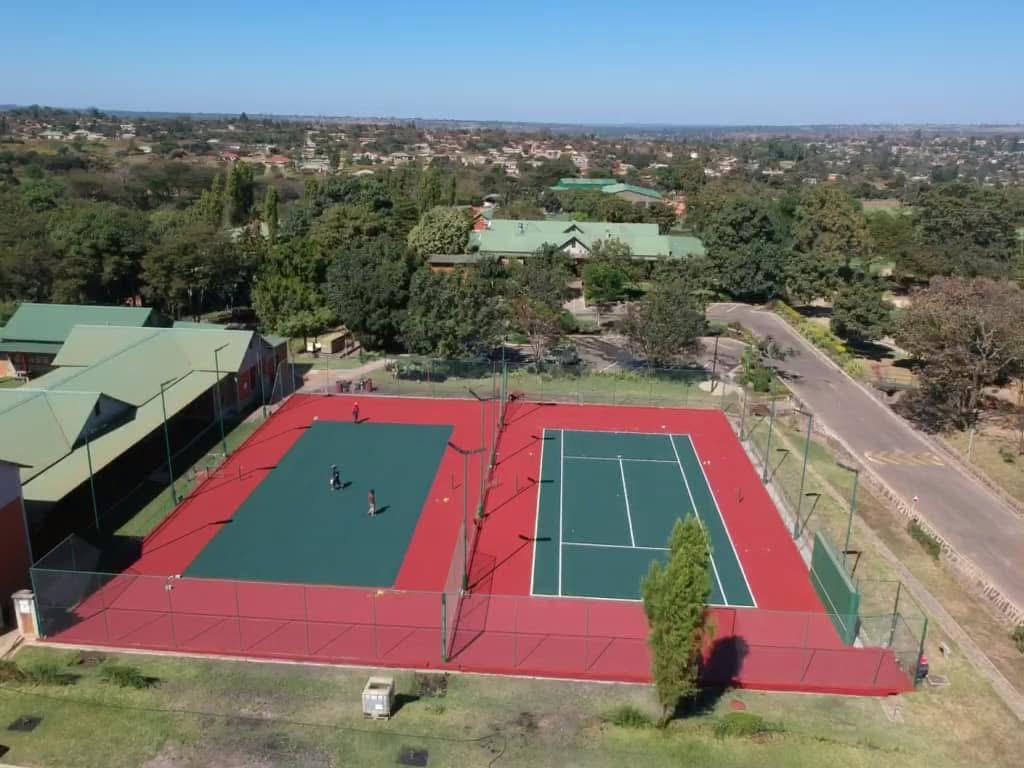
Benefits of a proper asphalt base
Strong and stable under pressure
Smooth and even playing platform
Resistant to cracking when built correctly
Long lifespan
Very low maintenance needs
As durable as asphalt is, it is not ideal on its own. The surface is too smooth, which means players can slip during fast movement. This is where the acrylic coating becomes essential.
What the acrylic sports coating does
Acrylic is the coloured layer applied on top of the asphalt. This is the surface players actually feel when they run, stop and turn.
It provides
Better grip under your shoes
Controlled and consistent ball bounce
Protection from UV and rain
A clean and professional court finish
Popular colour choices include
Blue
Green
Red clay tone
Two tone layouts are also common because they highlight the main playing area.
Benefits of acrylic coating
Improves traction and overall safety
Helps prevent slipping and skin burns
Protects the asphalt from heat and sunlight
Gives brighter, cleaner line marking
Offers custom colour options to match your facility
This coating is the reason players feel confident moving quickly across the court.
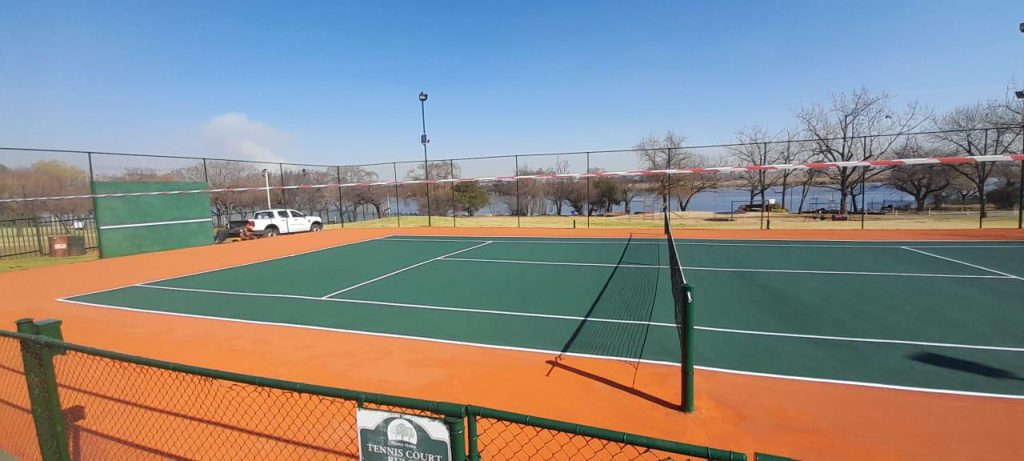
Comparison summary
Here is a simple way to compare the two approaches.
Player grip
Asphalt only: Too slippery
Asphalt + acrylic: Excellent grip
Ball bounce
Asphalt only: Good
Asphalt + acrylic: More consistent and professional
Weather protection
Asphalt only: Exposed
Asphalt + acrylic: Protected
Appearance
Asphalt only: Plain black
Asphalt + acrylic: Bright, clean and professional
Safety
Asphalt only: Higher chance of slips and injuries
Asphalt + acrylic: Good traction and comfortable play
Maintenance
Asphalt only: Medium
Asphalt + acrylic: Low
The combined system clearly performs better in every category.
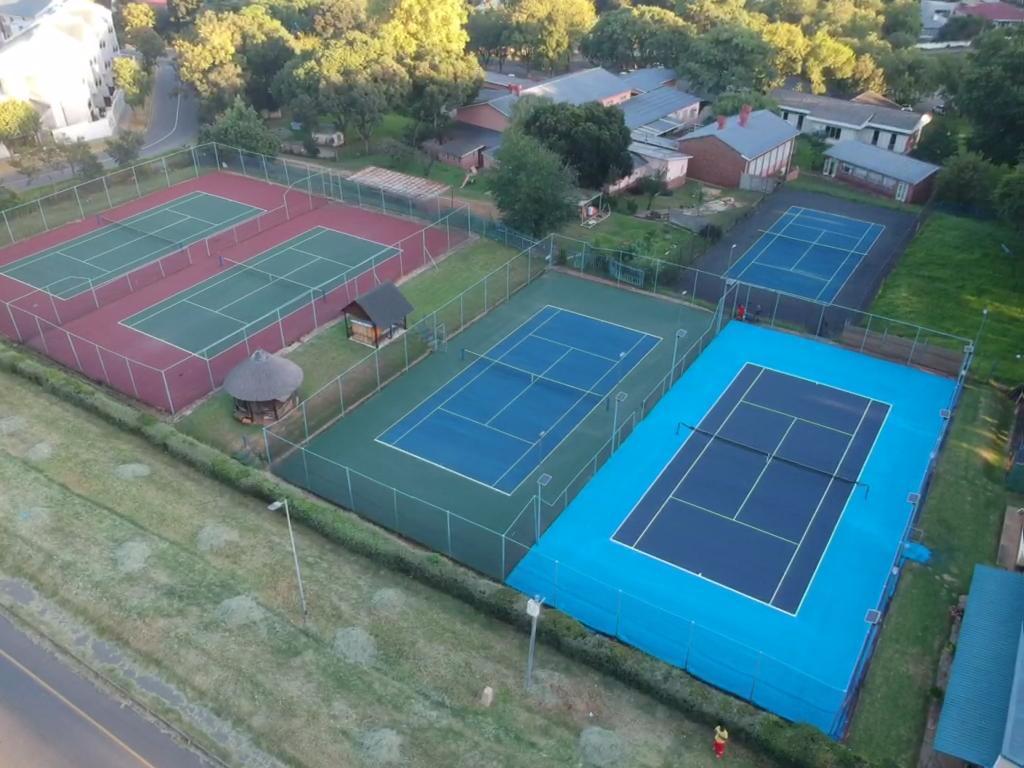
Which option should you choose
If the asphalt will be used as a base for another type of surface later, asphalt alone can be acceptable.
For actual tennis play the correct system is:
Asphalt base
Acrylic sports coating
Professional line marking
This is the same method used on international courts around the world.
Why this works best in Gauteng
Our climate brings
Intense heat
Sudden storms
Strong UV exposure
Acrylic helps protect the asphalt from cracking, fading and overheating. The court stays smooth, durable and reliable for many years.
Maintenance and lifespan
With basic care your court can last fifteen to twenty five years.
Important steps include
Recoating every five to seven years
Sealing small cracks early
Keeping drainage clear so water never pools
Final recommendation
If you want a tennis court that feels great to play on, stays strong and needs very little upkeep, you should choose the combination of asphalt with acrylic coating. It gives the best performance, the best durability and the best long term value.
Build your court with specialists
William Gift Civil designs and builds high performance tennis courts throughout Gauteng.
Schools, estates, sports clubs and private homes trust our workmanship and quality.
Call or WhatsApp
+27 82 428 1251
We Build Quality That Lasts