
Tennis and Netball Court Line Marking Standards in South Africa

Accurate lines improve safety and performance

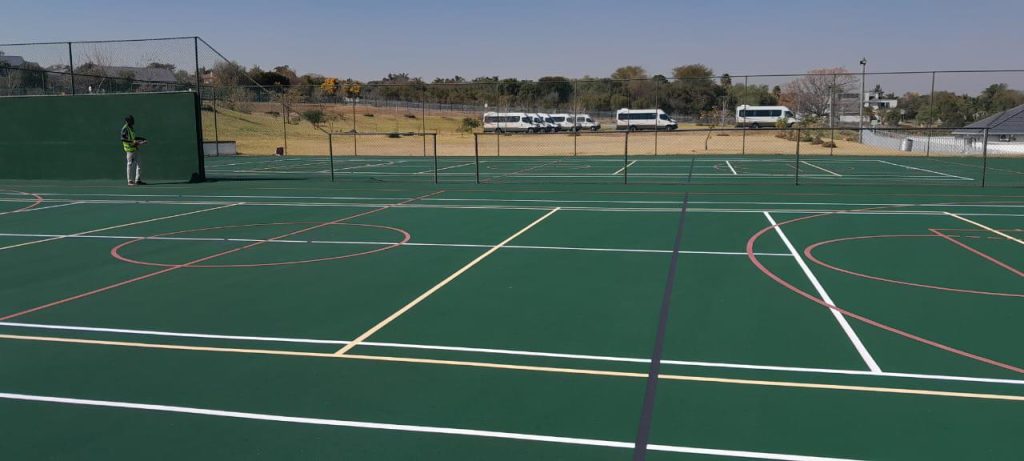
Line marking is one of the most important elements of any sports court. Lines define boundaries, guide player decisions and ensure fair play. When lines are incorrect or faded, matches become confusing, unsafe and inconsistent.
This guide explains the correct standards and best practices for tennis and netball court line marking in South Africa.

Why line marking matters

✔ Accurate gameplay
✔ Improved player confidence
✔ Better decision making during fast movement
✔ Professional appearance
✔ More effective training sessions
✔ Greater safety for players and umpires

High quality line marking is what separates a professional court from a basic surface.

Tennis court line marking standards

Tennis lines must meet Tennis South Africa guidelines.

Key requirements

  • Line width: 50 millimetres

  • Lines must be perfectly straight using laser or string guides

  • Bright white acrylic line paint

  • Non slip finish for player safety

  • Full compliance with official court dimensions

  • Lines must be sealed properly to prevent early fading

Every line must be positioned with precision, including

  • Baseline

  • Service lines

  • Centre mark

  • Doubles sidelines

  • Singles sidelines

Even a small misalignment can affect match decisions.

Netball court line marking standards

Netball lines must follow Netball South Africa regulations.

Key requirements

  • Line width: 50 millimetres

  • All lines must be white and clearly visible

  • Court zones must be marked and aligned accurately

  • Centre circle: zero point nine metre radius

  • Goal circle: four point nine metre radius

Netball lines define the

  • Goal third

  • Centre third

  • Obstruction distances

Correct line marking improves player understanding and reduces unnecessary fouls.

Best material for court lines

Only acrylic sports paint should be used because
✔ It bonds strongly to the surface
✔ It resists UV sunlight
✔ It provides a non slip texture
✔ It lasts longer than standard paint
✔ It is easy to maintain

Normal household paint peels quickly and becomes slippery, making it unsuitable for sports.

When line marking should be refreshed

  • Every three to five years on high use courts

  • After resurfacing or asphalt repairs

  • When fading reduces visibility

  • If cracking or colour loss appears around line areas

Fresh lines restore clarity and improve the overall look of the court.

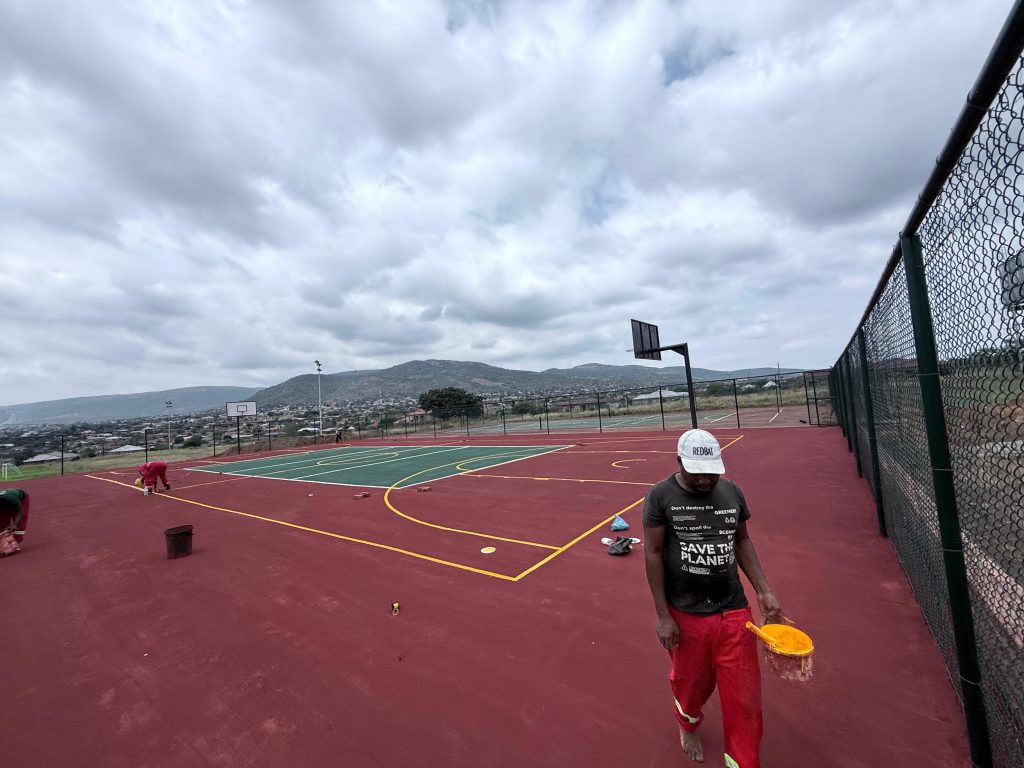
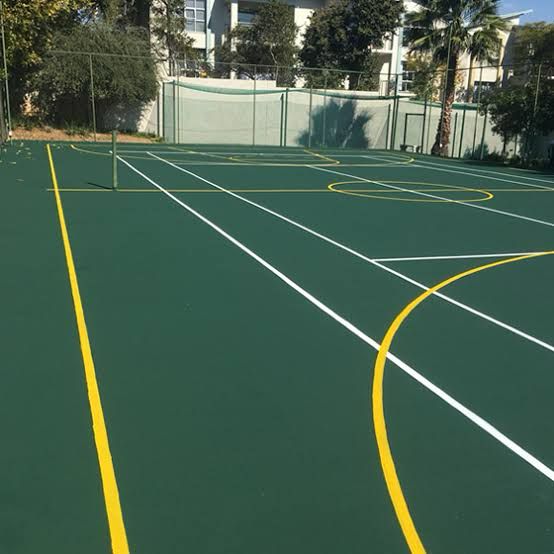
Colour options for multi sport courts

Secondary sport lines can be added in different colours, such as

  • Yellow for basketball

  • Light blue for indoor hockey

  • Green for secondary tennis markings

Clear colour separation helps avoid confusion during multi sport use.
Why professional marking is necessary

Untrained painters may
✘ Use incorrect line widths
✘ Apply slippery paint
✘ Misalign the layout
✘ Ignore official sport standards

Professional marking ensures accuracy, safety and full compliance.

Upgrade your court the right way

William Gift Civil provides professional line marking for

  • Schools

  • Sports clubs

  • Private estates

  • Community courts

We follow South African sporting standards for perfect accuracy every time.

Call or WhatsApp
+27 82 428 1251

We Build Quality That Lasts

Leave a Comment

Your email address will not be published. Required fields are marked *