
Protect your investment and avoid costly repairs
Cracks on a tennis court rarely appear suddenly. They are usually a warning that something beneath the surface is shifting or weakening. Most cracking can be prevented when the court is constructed properly and maintained at the right time. By understanding why cracks form, you can protect your court and avoid major reconstruction later.
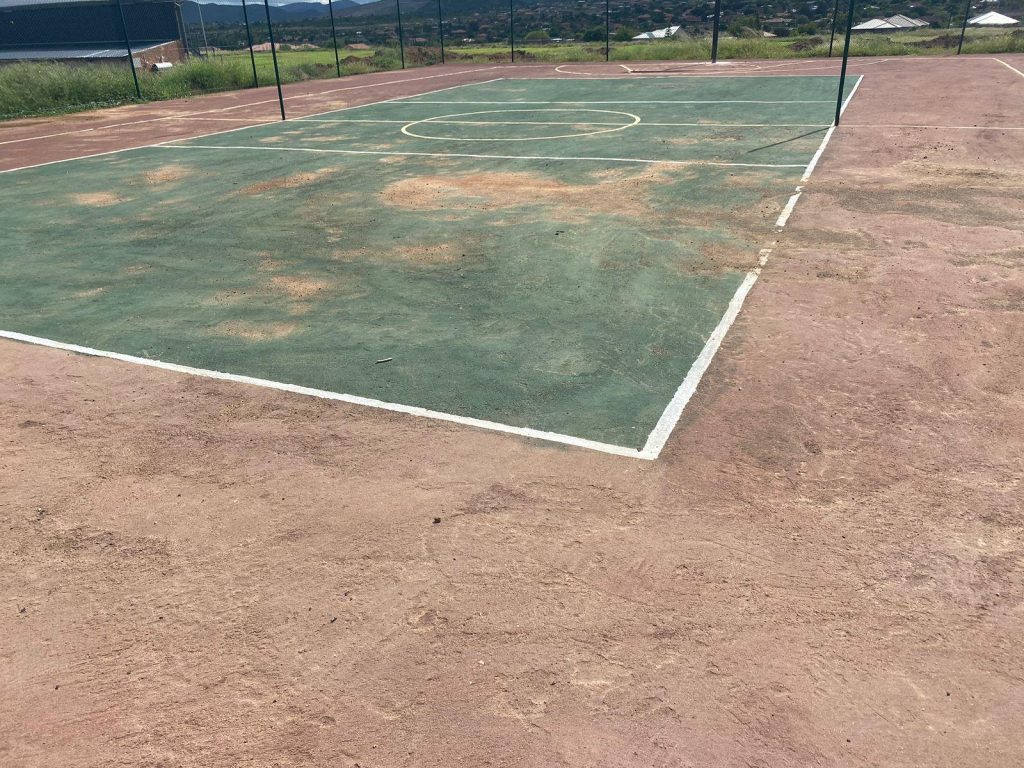
Main causes of tennis court cracks
1. Weak base preparation
The base is the foundation that supports the entire court.
If the sub-base is not compacted correctly, the ground moves over time and the asphalt follows.
Signs include
Long straight cracks
Uneven or inconsistent bounce
Areas that feel hollow underfoot
2. Poor drainage
Water is the biggest threat to any tennis court.
When water remains on the surface, it slowly seeps into the base and softens it. Once the base weakens, the surface begins to crack.
Common signs
Water pooling near the net or court lines
Soft spots after rain
New low areas forming
3. Temperature changes
Gauteng experiences hot days and cooler nights.
Asphalt expands in heat and contracts when temperatures drop. After years of movement, small cracks start to appear.
Signs to look for
Fine hairline cracks across the surface
Lines separating at their edges
4. Tree roots under the court
Roots can push up into the court from below, creating raised bumps and curved cracking.
Any trees close to the court area should be removed before construction begins.
Signs include
Uneven raised areas
Cracks that bend or curve rather than run straight
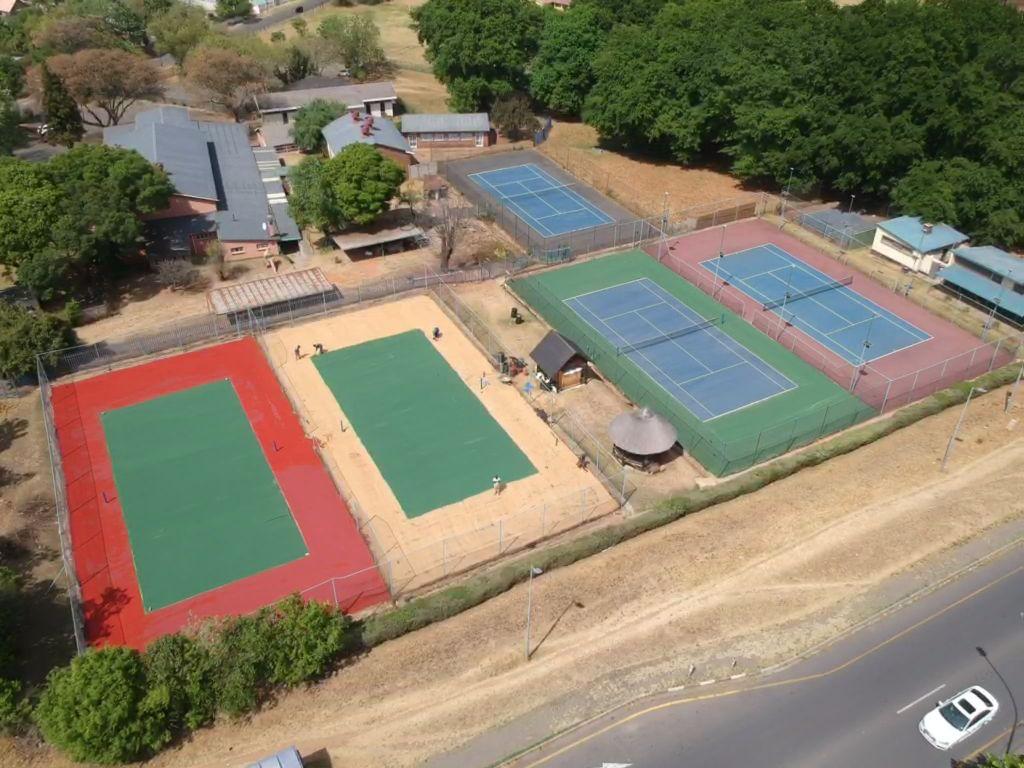
Why cracks get worse quickly
Even a small crack allows water to enter the structure.
Once water is inside, the base weakens, the crack widens and small damage becomes major damage. If left unattended the court can develop dips, soft spots or even potholes.
Early repairs save money and help prevent injuries.
How to prevent cracks from happening
Build a strong, well compacted base
Ensure proper drainage and correct fall before surfacing
Keep trees and roots safely away from the court
Seal small cracks as soon as they appear
Refresh the acrylic coating every few years
Inspect the court after heavy rain
Preventing damage is always more affordable than restoring a failing surface.
Repair options for existing cracks
Crack sealing
Best for small or newly formed cracks. Sealing keeps water out and slows down further movement.
Patch repairs
Damaged asphalt in localised areas can be removed and replaced. This helps fix dips, soft spots and weakened patches.
Full resurfacing
Recommended when
Cracks are widespread
The base structure is weak
The surface has aged and become unsafe
Resurfacing creates a fresh, long lasting top layer using acrylic sports coating.
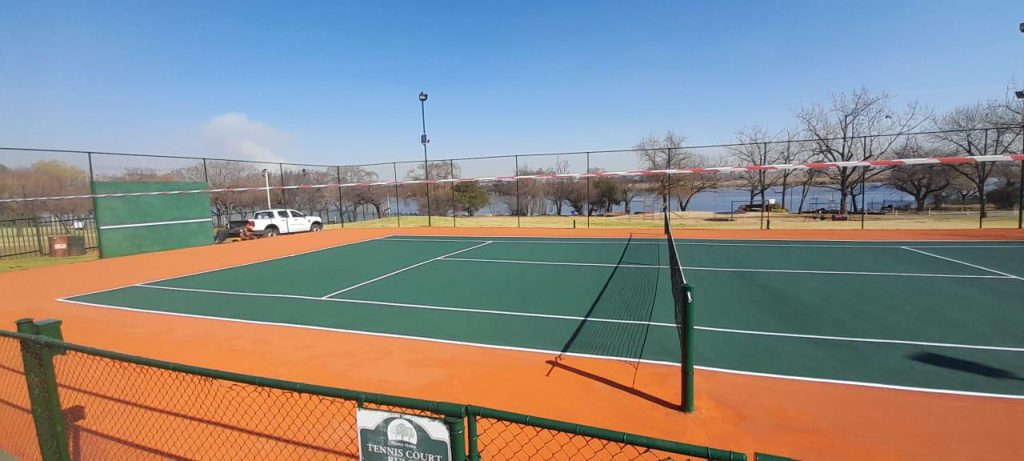
How often should courts be inspected
A court should be checked at least once a year.
School courts or heavily used facilities may need more frequent inspections.
Look out for
Any new cracks
Changes in ball bounce
Water that lingers after rain
Fading or worn paint around cracks
Small issues repaired early prevent large repairs later.
Why choose a professional for repairs
A tennis court is a technical surface.
If repairs are done incorrectly the cracking often returns.
A professional repair solves the underlying issue rather than only treating the visible damage.
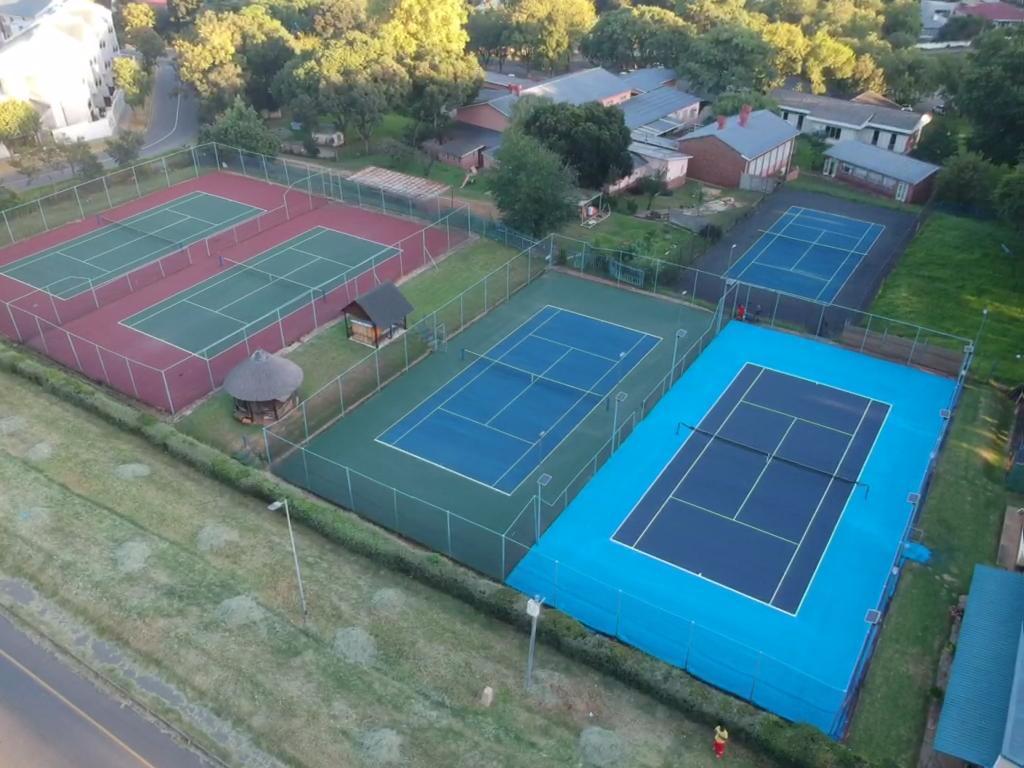
Keep your court safe and strong
William Gift Civil specialises in
Crack sealing
Asphalt patching
Full resurfacing with acrylic coatings
Drainage improvements
We help extend the life of your court and keep it safe for all players.
Call or WhatsApp today
+27 82 428 1251
We Build Quality That Lasts