
Building a tennis court is a major investment whether you’re a school, sports club, private homeowner, or municipality. But many projects go wrong due to avoidable mistakes that lead to costly repairs, poor playability, or even total reconstruction. At William Gift Civil, we’ve built and resurfaced dozens of courts across Gauteng and beyond. Here’s what you need to avoid for a successful tennis court project in South Africa.
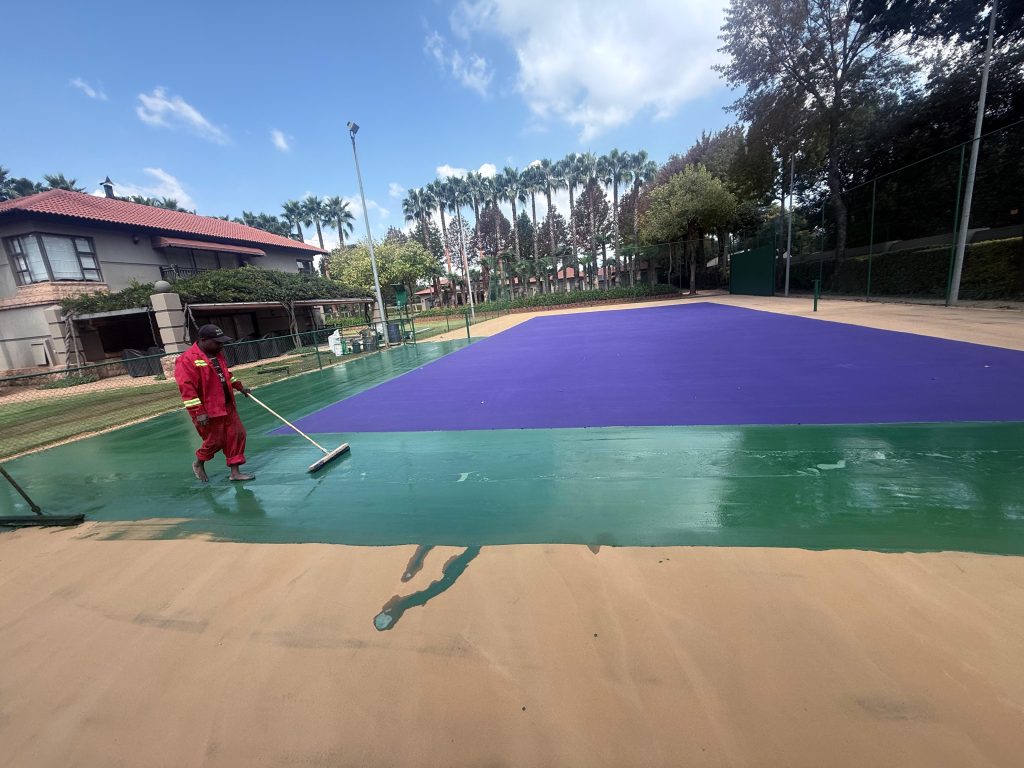
Poor Site Selection & Inadequate Earthworks
Many clients underestimate the importance of choosing the right site and preparing the ground correctly. If your sub-base is unstable or improperly compacted, the court surface will crack, settle unevenly, or pool water.
Avoid it by:
•Doing a proper soil test before construction.
•Ensuring the base is compacted with G5/G6 material to 95% MOD AASHTO.
•Using professional graders to get correct levels and drainage fall (typically 1%).
Skipping Proper Drainage Design
Drainage is not optional in tennis court construction. In many parts of Gauteng, seasonal rains can quickly damage a court without proper water flow.
Avoid it by:
•Including side and perimeter drains.
•Installing a center trench if the area is prone to water build-up.
•Sloping the surface gently (longitudinally or cross-fall) to drain water off.

Choosing the Wrong Surface Material
Your court’s performance, durability, and cost depend heavily on the surface you choose and not all materials are suitable for every site or use.
Common mistake: Choosing concrete when asphalt is more flexible and crack-resistant.
Avoid it by:
•Consulting a professional on whether asphalt, concrete, or acrylic is best.
•Considering climate, use frequency, and budget.
•Asking about resurface cycles and maintenance requirements.
Ignoring Local Construction Standards
Court dimensions, line markings, fence height, and even net post placement must comply with local and international standards — especially for schools, clubs, or tournament venues.
Avoid it by:
•Following SAPSASA/ITF guidelines and SANS specs.
•Using correctly measured sleeves for net posts.
•Hiring a contractor with proven compliance (like William Gift Civil).
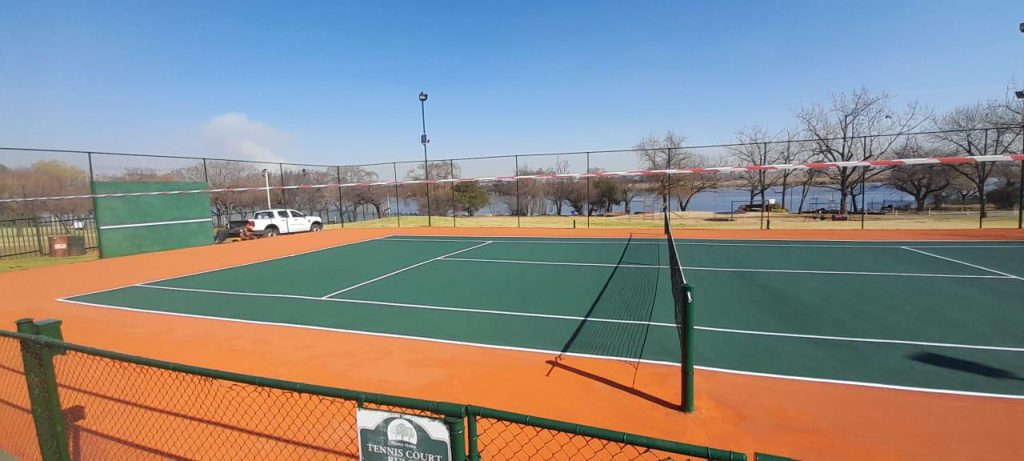
Hiring Inexperienced or Unqualified Contractors
This is the most damaging mistake. A general builder is not a court builder. Tennis courts require specialized knowledge in surfacing, leveling, coatings, and fencing.
Avoid it by:
•Asking for project references and photos.
•Insisting on signed BOQ and spec sheets.
•Hiring a dedicated sport court contractor with civil experience.
Conclusion: Build It Right, First Time
Avoiding these 5 mistakes can save you hundreds of thousands of rands in repairs and headaches. At William Gift Civil, we build tennis courts that last — engineered for performance, safety, and long-term value.
👉 Need a quote or free site visit? Contact us today.
Let’s build your court the right way.
Check out our other latest blogs here:
• For detailed pricing info, read Basketball Court Construction Costs in South Africa.
•Learn about court maintenance in Netball Court Resurfacing: When, Why, and How to Do It Right.
•Unsure about indoor vs outdoor? Our post on Indoor vs Outdoor Sports Courts in Gauteng has you covered.